
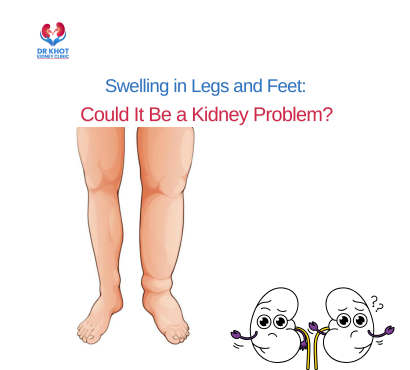
Swelling in the legs and feet is a common symptom that often goes unnoticed or is attributed to long periods of standing, traveling, or even warm weather. However, persistent puffiness or swelling may be a warning sign of an underlying health issue—especially a kidney problem. In India, with the rising rates of diabetes, hypertension, and kidney disorders, it’s vital to recognize when swollen legs could mean something more serious.
Understanding Swelling (Edema) and the Kidneys
Edema means accumulation of excess fluid in the tissues, typically first seen in the lower limbs. Your kidneys play a crucial role in removing waste and excess fluid from your body. If they are not working properly, fluid accumulates, leading to visible swelling. This swelling is not just inconvenient—it’s a signal to pay attention to your kidney health.
How Do Kidneys Cause Swelling?
The kidneys maintain your body’s fluid and salt balance by filtering blood and excreting extra water. If their function slows due to disease or injury:
- Excess salt and water are retained.
- Fluid leaks out of blood vessels into surrounding tissues—usually the feet, ankles, and legs due to gravity.
- This is called peripheral edema.
Kidney-Related Causes of Swelling
- Chronic Kidney Disease (CKD): Gradual decline in kidney function leads to fluid buildup. Swelling tends to be persistent and may be accompanied by high blood pressure, tiredness, and urinary changes.
- Nephrotic Syndrome: Damaged kidneys leak abnormal amounts of protein, lowering blood protein and causing severe swelling in legs, face, or abdomen.
- Acute Kidney Injury: A sudden loss of kidney function from infection, dehydration, or medications can cause rapid swelling in the lower limbs.
- Glomerulonephritis: Inflammation in the kidneys’ filters restricts fluid removal, resulting in swelling.
Other less common causes include congenital issues, kidney vein blockages, and severe urinary tract obstruction.
Recognizing Kidney-Related Swelling: Key Signs
Look for these features—which suggest a kidney link:
- Persistent swelling: Not resolving overnight or with rest.
- Worsens after standing: Gravity collects fluid in lower legs.
- Bilateral (both legs) swelling: Heart and kidney causes usually affect both sides.
- Swelling spreads: May progress up to knees or even abdomen if severe.
Accompanying Symptoms That Raise Suspicion:
- Foamy urine (suggests excess protein)
- Reduced urine output
- Unexplained fatigue or weakness
- Loss of appetite, nausea
- Shortness of breath (fluid overload can affect lungs)
When Is Swelling NOT Due to the Kidneys?
Other common causes to rule out:
- Heart failure: If the heart can’t pump blood properly, fluid accumulates in the lower body.
- Liver disease (cirrhosis): Poor protein synthesis and portal hypertension cause leg or abdominal swelling.
- Thyroid or vein disease: Varicose veins, DVT, or hypothyroidism can mimic kidney-related swelling.
- Medications: Steroids, some blood pressure drugs, and NSAIDs can cause swelling as a side effect.
- Pregnancy and inactivity: Also increase your risk for leg swelling, usually without a kidney link.
See a doctor if swelling is sudden, in one leg only, or associated with chest pain, severe breathlessness, or fever—these require immediate attention.
How Are Kidney Problems Diagnosed in Swelling Cases?
- History and exam: Your doctor will ask about duration, other symptoms, and look for pitting edema (indent left by pressing swelling area).
- Urine tests: Check for protein, blood, or abnormal cells (suggests nephrotic syndrome or glomerulonephritis).
- Blood tests: Creatinine, urea, electrolytes, albumin, and eGFR estimate kidney function.
- Ultrasound: Finds kidney size, structure, or blockages.
- Special tests: Sometimes needed for rare causes or when diagnosis is uncertain.
Treatment and Home Strategies
Direct the cause: If swelling stems from a kidney issue, treating the underlying condition is key.
- Diuretics (water pills): Help shed excess fluid—prescribed only under medical advice.
- Salt restriction: Lowering salt reduces water retention and swelling.
- Fluid management: Amount depends on kidney and heart function—ask your nephrologist about limits.
- Elevate legs: Resting with feet raised helps gravity reduce swelling.
- Gentle exercise: Walking, ankle pumps boost circulation.
- Compression stockings: For some patients, may support fluid drainage (if not contraindicated).
In severe or progressive cases: More intensive therapies—including temporary dialysis, immune medications, or surgery—may be needed.
Preventing Kidney-Related Swelling
- Control diabetes and blood pressure: The top two causes of kidney failure in India.
- Routine blood and urine checks: Early detection saves kidney function.
- Maintain a healthy diet: Balanced protein, less salt, and fresh foods.
- Exercise regularly: Keeps circulation strong, improves heart and kidney health.
- Avoid over-the-counter painkillers: Excess use of NSAIDs (like diclofenac) harms kidneys.
- Treat infections early: Especially urinary or throat infections in children (can cause glomerulonephritis).
Kidney Swelling: Myths vs. Facts
| Myth | Fact |
| Only old people get kidney disease | Children/young adults can also develop kidney issues |
| Swelling always means it’s a kidney problem | Heart, liver, or veins may be the cause too |
| Swelling gets better by drinking more water | Fluid overload may worsen kidney swelling |
| Herbal remedies cure kidney edema | No proven benefit; some may worsen kidney function |
When To Seek Immediate Medical Attention
- Sudden onset severe swelling
- Swelling plus chest pain, cough, or severe breathlessness
- Very little/no urine for 12+ hours
- Swelling plus fever, pain, or skin redness (may mean infection)
Prompt action is vital: advanced kidney failure can be life-threatening without timely intervention.
FAQ
- How can I tell if my leg swelling is due to kidney problems and not something else?
Persistent swelling in both legs, especially with foamy urine, reduced urine output, fatigue, and breathlessness is suggestive. Single-leg swelling, sudden swelling, or swelling with redness/heat is less likely to be kidney-related. Always consult your doctor for accurate assessment. - Will swelling from kidney disease go away with home remedies?
Simple measures (less salt, elevating legs, walking) can help mild swelling. However, persistent or worsening edema means the kidney problem is not controlled, and only medical treatment of the root issue will result in improvement. Never self-medicate with over-the-counter drugs. - When should I worry about swollen legs or feet and see a doctor?
If swelling is new, gets worse, involves both limbs, or is associated with urine changes, appetite loss, or breathing difficulty, see your doctor soon. Sudden or severe swelling, especially with chest pain or fainting, needs emergency care.