
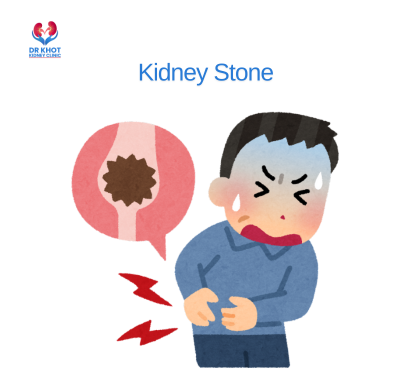
What are kidney stones?
Kidney stones (also called renal stones or urolithiasis) are hard, crystal‑like deposits that form inside the kidneys or anywhere along the urinary tract when urine becomes concentrated with certain minerals and salts. The most common type worldwide and in India is the calcium oxalate stone, but uric acid, struvite and cystine stones are also seen.
These stones can be as small as grains of sand or grow to fill part of the kidney. Many pass out on their own, but larger or obstructing stones can cause severe pain, infection and even kidney damage if not treated appropriately.
Why kidney stones are so common in India
India falls in what many urologists describe as a “stone belt” with high prevalence of kidney stones due to climate, diet and lifestyle factors. Studies in Indian adults show that stone formation is influenced by:
- Hot climate and low fluid intake leading to concentrated urine.
- Diets high in salt, refined carbohydrates and certain stone‑forming components.
- Genetic predisposition and family history.
- Associated conditions like diabetes, hypertension, obesity and recurrent urinary infections.
Data from Indian cohorts also highlight that calcium oxalate is the predominant stone type and that recurrence is common, with a large proportion of patients developing another stone within years of the first event. This makes prevention just as important as treatment.
How kidney stones form
Stone formation is usually a multi‑step process. Urine normally carries various dissolved substances, including calcium, oxalate, uric acid, phosphate and citrate. When concentration rises above a certain level or protective factors like citrate are low, crystals begin to form.
Over time, these crystals can:
- Grow larger as more minerals deposit on them.
- Stick to each other and to the lining of the kidney.
- Break off and move into the ureter (the tube carrying urine to the bladder).
Factors such as dehydration, high salt intake, very high animal protein, certain medications and underlying metabolic or anatomical problems all shift the balance towards stone formation.
Types of kidney stones and what they mean
Knowing the type of stone helps guide prevention:
- Calcium oxalate stones
-
-
- Most common type in Indian adults.
- Linked to high oxalate intake, low fluid, high salt and sometimes excessive vitamin C supplements.
-
- Uric acid stones
-
-
- More common in people with high uric acid, diabetes, obesity and very high animal protein diets.
- Often associated with persistently acidic urine.
-
- Struvite stones
-
-
- Associated with chronic urinary tract infections, especially in women.
-
- Cystine stones
-
- Result from a rare inherited disorder causing high cystine levels in urine.
In practice, many patients only learn the type after stone analysis or metabolic evaluation, which is highly recommended for recurrent stone formers.
Symptoms: when to suspect a kidney stone
Some stones sit quietly in the kidney and are only picked up on ultrasound or CT scans. Others cause dramatic symptoms when they move or block urine flow:
- Sudden, severe pain in the side or back, often radiating towards the groin.
- Pain that comes in waves (colicky pain) as the ureter contracts.
- Blood in urine (pink, red or brown discoloration).
- Burning or pain with urination, urgent or frequent urination.
- Nausea and vomiting.
- Fever or chills (this is an emergency sign when combined with obstruction).
Any severe flank pain or blood in urine deserves prompt medical evaluation to rule out stones and other urgent conditions.
Major risk factors in Indian adults
Indian studies point to a mix of intrinsic and extrinsic risk factors for kidney stones:
- Low fluid intake and hot climate: Increased sweating with insufficient water intake concentrates urine.
- High sodium (salt) intake: Excess dietary salt increases calcium excretion in urine, promoting stone formation.
- Diets rich in oxalate and animal protein: Spinach, certain leafy greens, nuts, tea, chocolate and excessive meat can drive stone risk when combined with low fluid and low calcium.
- Metabolic conditions: Diabetes, hypertension, gout, obesity and metabolic syndrome increase the likelihood of both calcium and uric acid stones.
- Family history and genetics: Certain gene variants and inherited disorders like cystinuria or primary hyperoxaluria markedly raise risk.
Recognising these risks helps target prevention strategies, especially in people who have already had one stone episode.
Prevention: practical steps that work
The best “treatment” of kidney stones is preventing new stones from forming. Guidelines and reviews agree on several core strategies:
- Hydration: drink enough fluids
- Aim for at least 2–3 litres (roughly 8–12 glasses) of fluid per day unless restricted for other medical reasons.
- Spread water intake throughout the day; increase during hot weather or heavy physical activity.
- A portion of fluids can be lemon water or other citrus drinks, which provide citrate – a natural inhibitor of stone formation.
- Limit salt intake
- High sodium intake increases urinary calcium, a key driver of calcium‑based stones.
- Reduce added table salt and cut back on processed foods, pickles, papads, packaged snacks and restaurant meals, which often contain hidden sodium.
- Eat adequate, not low, calcium
- Contrary to older beliefs, very low calcium diets can increase stone risk because they allow more oxalate to be absorbed from the gut.
- Aim for normal dietary calcium from foods like milk, curd and paneer, taken with meals so calcium can bind oxalate in the intestine.
- Watch oxalate and animal protein
- For calcium oxalate stone formers, limiting high‑oxalate foods like large amounts of spinach, beetroot, nuts, chocolate and very strong tea can help.
- Excess animal protein increases calcium and uric acid excretion; a moderate intake balanced with plant proteins is suggested.
- More fruits and vegetables
- Plant foods increase urinary citrate and provide fluid and fibre, all protective against stones.
These steps should be adapted according to the specific stone type and individual risk profile.
Treatment options: from “wait and watch” to surgery
Treatment depends on stone size, location, symptoms, infection status and kidney function:
- Conservative management for small stones
- Many stones ≤5 mm can pass spontaneously with adequate hydration and pain control.
- Doctors may prescribe medicines to relieve pain and sometimes drugs to relax the ureter and aid stone passage.
- Medical management and prevention
- Depending on stone type and metabolic evaluation, medicines may be used to modify urine chemistry (for example, alkalinising urine for uric acid stones or citrate supplements in hypocitraturia).
- Minimally invasive procedures
- ESWL (shock wave lithotripsy): Uses sound waves from outside the body to break stones into smaller pieces that can pass in urine; best for selected stones.
- URS / RIRS (ureteroscopic procedures): A thin scope is passed through the urethra and bladder into the ureter or kidney to visualise and fragment stones with lasers.
- PCNL (percutaneous nephrolithotomy): For large or complex stones, a small tract is created into the kidney from the back, and stones are broken and removed through this tract.
These modern approaches aim to clear stones with minimal incisions, shorter hospital stays and quicker recovery compared with older open surgeries.
Why recurrence prevention is critical
Kidney stone disease is notorious for recurring. Studies estimate that a large majority of stone formers will develop another stone within 5–25 years if no preventive measures are taken. Every recurrence adds physical discomfort, cost, work loss and potential kidney damage, especially if infections or obstruction are involved.
A good preventive plan combines:
- Metabolic evaluation where appropriate.
- Individualised diet and fluid advice.
- Regular follow‑up with Kidney Specialist Doctor imaging in high‑risk patients.
This approach significantly lowers the likelihood and severity of future stone episodes.
FAQ
- If I pass one kidney stone, does that mean I will definitely get more?
Not everyone will have repeat stones, but research in Indian and international populations shows that kidney stones have a strong tendency to recur, with a significant percentage of patients experiencing another episode within years of the first. The risk is higher if lifestyle factors remain unchanged or if metabolic issues are not identified and treated. Following prevention strategies such as high fluid intake, reduced salt, appropriate calcium, balanced diet and addressing medical risk factors can markedly reduce recurrence. - Is drinking lots of water enough to prevent kidney stones?
Good hydration is one of the most important and simplest preventive steps, and guidelines recommend aiming for at least around 2–3 litres of fluids per day (unless medically restricted) to dilute urine and lower stone risk. However, hydration alone may not be sufficient for everyone. High salt intake, excess animal protein, high‑oxalate foods, obesity, diabetes and certain metabolic abnormalities can still drive stone formation, so a combination of dietary changes and, in some cases, medications guided by evaluation is often needed for strong protection. - 3. How do I know which treatment option is right for my kidney stone?
Choice of treatment depends mainly on stone size, location, composition (when known), symptoms, presence of infection and overall kidney function. Small, non‑obstructing stones may be observed or treated conservatively with hydration and pain control, while larger stones or those causing persistent obstruction, infection, or severe symptoms are usually managed with procedures like shock wave lithotripsy, endoscopic ureteroscopic removal, or percutaneous surgery. A urology team will review imaging, lab results and your overall health and then recommend an option that balances stone clearance, safety and recovery time.