
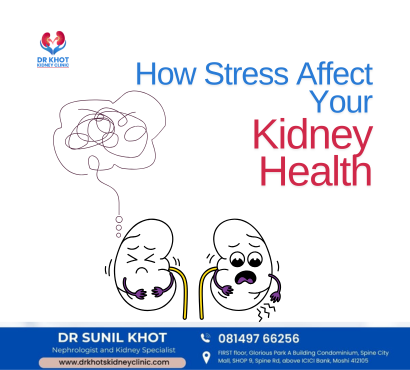
Stress has become an almost unavoidable part of modern life. From demanding work schedules and financial responsibilities to family commitments and personal expectations, people experience stress in many forms. While most individuals understand that stress can influence mental health and emotional well-being, fewer realize that chronic stress can also affect physical health—including the kidneys.
The kidneys are vital organs responsible for filtering waste products from the blood, maintaining fluid balance, regulating blood pressure, and producing hormones that support overall body function. Because the kidneys are closely connected to the cardiovascular and hormonal systems, prolonged stress may indirectly influence their health.
Scientific research over the past few decades has begun exploring how stress affects various organs in the body. While stress alone may not directly cause kidney disease in healthy individuals, evidence suggests that chronic stress can contribute to conditions that increase the risk of kidney problems.
Understanding the relationship between stress and kidney health is important for prevention, early intervention, and maintaining long-term well-being. This article explores how stress impacts the body, the potential effects on kidney function, what research suggests about the connection, and practical strategies to reduce stress and protect kidney health.
Understanding the Role of the Kidneys
Before examining how stress may affect kidney health, it is helpful to understand what the kidneys actually do.
The human body has two kidneys located on either side of the spine, just below the rib cage. Despite being relatively small organs, they perform several essential functions.
Filtration of Waste
The kidneys filter the blood to remove waste products and toxins produced during normal metabolism. These waste substances are excreted from the body through urine.
Fluid Balance
Kidneys regulate the amount of water in the body. They adjust fluid levels based on hydration, blood pressure, and electrolyte balance.
Blood Pressure Regulation
The kidneys help regulate blood pressure through hormonal mechanisms and fluid control.
Electrolyte Balance
They maintain proper levels of important minerals such as sodium, potassium, calcium, and phosphate.
Hormone Production
Kidneys produce hormones that help control red blood cell production, blood pressure regulation, and bone health.
Because of these important functions, maintaining kidney health is crucial for overall body stability.
What Happens in the Body During Stress?
Stress triggers a complex series of biological reactions designed to help the body respond to perceived threats.
This response is often referred to as the “fight or flight” reaction.
When a person experiences stress, the brain sends signals to the adrenal glands to release stress hormones such as:
- Cortisol
- Adrenaline
- Noradrenaline
These hormones prepare the body to react quickly by:
- Increasing heart rate
- Raising blood pressure
- Releasing glucose for energy
- Increasing alertness
While this response is helpful in short bursts, chronic stress keeps the body in a prolonged state of alertness, which can negatively affect multiple organ systems.
The Link Between Stress and Kidney Health
Research suggests that stress can influence kidney health indirectly through several pathways. These mechanisms primarily involve hormonal changes, cardiovascular effects, and lifestyle factors associated with prolonged stress.
Stress and High Blood Pressure
One of the most important connections between stress and kidney health is blood pressure.
High blood pressure is one of the leading causes of kidney damage.
When stress becomes chronic, the body frequently releases stress hormones that increase heart rate and constrict blood vessels. Over time, this can contribute to elevated blood pressure levels.
When blood pressure remains high for extended periods, it can damage the delicate blood vessels inside the kidneys that are responsible for filtering waste.
This condition may gradually reduce kidney function.
Stress and Hormonal Changes
The hormone cortisol plays a key role in the body’s stress response.
When cortisol levels remain elevated for long periods, it can disrupt several metabolic processes including:
- Blood sugar regulation
- Immune response
- Fluid balance
- Blood pressure control
Persistent hormonal imbalance may place additional strain on the kidneys.
Stress and Inflammation
Chronic stress has been associated with increased levels of inflammation in the body.
Inflammation can affect blood vessels and tissues throughout the body, including those in the kidneys.
While occasional inflammation is a normal immune response, persistent inflammation may contribute to the development or progression of chronic diseases.
Stress and Lifestyle Habits
Stress often influences lifestyle behaviors that indirectly impact kidney health.
For example, individuals experiencing prolonged stress may:
- Consume more processed or salty foods
- Drink less water
- Increase alcohol intake
- Reduce physical activity
- Experience poor sleep patterns
These behaviors may increase the risk of high blood pressure, obesity, and diabetes—three major risk factors for kidney disease.
Stress and Blood Sugar Levels
Chronic stress can also influence blood sugar levels.
Stress hormones stimulate the release of glucose into the bloodstream to provide energy for the body. However, when stress occurs frequently, blood sugar levels may remain elevated.
Over time, this may contribute to insulin resistance and increase the risk of developing diabetes.
Diabetes is one of the leading causes of kidney disease worldwide.
What Research Says About Stress and Kidney Function
Researchers have been studying the connection between stress and kidney health for several years.
While stress itself may not directly cause kidney disease, studies suggest it may contribute to conditions that affect kidney function.
Key findings from research include:
Stress and Hypertension
Several studies have found that chronic psychological stress may contribute to long-term hypertension.
Since high blood pressure is a major risk factor for kidney damage, managing stress may help reduce this risk.
Stress and Chronic Disease
Research indicates that people experiencing prolonged stress are more likely to develop metabolic disorders such as obesity and diabetes.
These conditions can significantly increase the risk of kidney problems.
Stress and Immune System Function
Long-term stress may weaken the immune system and increase inflammation, potentially affecting organ health.
Signs That Stress May Be Affecting Your Health
Stress affects people differently, but some common warning signs include:
Physical Symptoms
- Headaches
- Fatigue
- Digestive issues
- Sleep disturbances
- Muscle tension
Emotional Symptoms
- Anxiety
- Irritability
- Difficulty concentrating
- Mood changes
Behavioral Symptoms
- Changes in eating habits
- Reduced physical activity
- Increased alcohol consumption
If stress continues for long periods, these symptoms may begin to affect overall health.
Protecting Your Kidney Health
Although stress may influence kidney health indirectly, several steps can help protect kidney function.
Manage Blood Pressure
Maintaining healthy blood pressure is one of the most important steps for protecting kidney health.
Lifestyle habits that support healthy blood pressure include:
- Regular exercise
- Limiting salt intake
- Maintaining a healthy weight
- Managing stress effectively
Maintain a Balanced Diet
Nutrition plays a vital role in kidney health.
A balanced diet that includes:
- Fresh fruits and vegetables
- Whole grains
- Lean protein
- Adequate hydration
can help support overall organ function.
Stay Physically Active
Regular physical activity helps regulate blood pressure, improve circulation, and reduce stress levels.
Even moderate activities such as walking, yoga, or cycling can provide significant benefits.
Prioritize Quality Sleep
Poor sleep is both a cause and consequence of stress.
Adults should aim for approximately 7–8 hours of quality sleep each night to support hormonal balance and organ health.
Practice Stress Management Techniques
Reducing stress can improve both mental and physical health.
Some effective stress-management strategies include:
Meditation and Mindfulness
Mindfulness practices help calm the mind and reduce anxiety.
Breathing Exercises
Deep breathing can help activate the body’s relaxation response.
Yoga
Yoga combines physical movement with breathing and relaxation techniques.
Spending Time in Nature
Nature exposure has been shown to reduce stress levels and improve mood.
Importance of Regular Health Checkups
Routine health checkups help detect early changes in kidney function and other health conditions.
Doctors may recommend tests such as:
- Blood tests to assess kidney function
- Urine tests to detect protein or abnormalities
- Blood pressure monitoring
Early detection allows timely management and better outcomes.
When to Seek Medical Advice
Although stress itself may not directly damage the kidneys, persistent symptoms should not be ignored.
Medical advice may be helpful if someone experiences:
- Persistent fatigue
- Swelling in legs or feet
- Changes in urination patterns
- High blood pressure
- Unexplained nausea or loss of appetite
These symptoms may indicate underlying health issues that require evaluation.
Building Long-Term Resilience Against Stress
Stress cannot always be avoided, but building resilience helps individuals cope more effectively.
Resilience involves developing healthy coping strategies and maintaining supportive relationships.
Helpful practices include:
- Setting realistic goals
- Taking breaks during stressful periods
- Maintaining social connections
- Engaging in hobbies or relaxing activities
Developing emotional resilience not only improves mental health but also supports physical well-being.
Stress is an inevitable part of life, but chronic stress can have wide-ranging effects on the body. While stress itself may not directly cause kidney disease, research suggests that it can contribute to several conditions that increase the risk of kidney problems, including high blood pressure, diabetes, and unhealthy lifestyle habits.
The kidneys play a vital role in maintaining the body’s balance and overall health. Protecting these organs requires a combination of healthy lifestyle choices, stress management strategies, and regular medical monitoring.
By recognizing the impact of stress and taking proactive steps to manage it, individuals can support not only their mental well-being but also the long-term health of their kidneys.
Maintaining balance in daily life—through proper nutrition, physical activity, emotional support, and relaxation techniques—can go a long way in preserving kidney function and promoting overall wellness.
FAQs
1. Can stress directly damage the kidneys?
Stress alone usually does not directly cause kidney damage, but chronic stress may increase blood pressure and inflammation, which can affect kidney health over time.
2. Does anxiety affect kidney function?
Severe or prolonged anxiety may indirectly influence kidney health by increasing blood pressure, altering hormone levels, and affecting lifestyle habits.
3. How can I reduce stress to protect my kidneys?
Stress can be reduced through regular exercise, meditation, healthy sleep habits, balanced nutrition, and maintaining strong social support systems.