
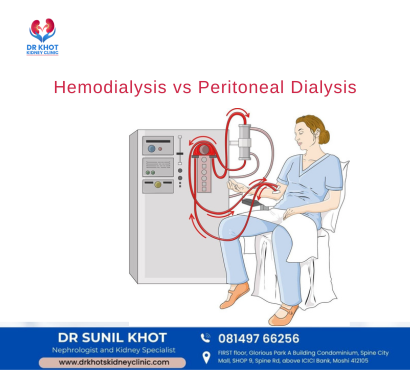
Kidney failure forces tough lifestyle choices. Hemodialysis means three center visits weekly, four hours each, travel time extra. Peritoneal dialysis means home treatment four daily exchanges or overnight machine, normal work schedule possible. Both sustain life equally well when done properly, but daily reality differs dramatically. Center camaraderie develops for hemodialysis patients. Home independence defines peritoneal patients.
India runs 5000+ hemodialysis centers serving 2.5 lakh patients, peritoneal programs exist in 200 major cities. Hemodialysis dominates due to easy access, no home setup, nurse monitoring. Peritoneal excels for working professionals, frequent travelers, children, needle-phobic patients. Government schemes cover both equally.
No perfect choice exists work schedule, home support, travel needs, infection tolerance determine best fit. Many switch modalities when life changes. Both serve as excellent transplant bridges.
This guide compares hemodialysis center routine vs peritoneal home independence, reveals hidden costs beyond rupees, explains training realities, diet differences, infection patterns, vascular access demands, travel logistics. Patients learn matching modality to lifestyle, recognizing when to switch, maximizing quality years on dialysis.
Treatment mechanics: how each works
Hemodialysis:
- Blood leaves body → machine filter → clean return
- Vascular access (fistula, graft, catheter)
- 4hrs cleans equivalent 1 week kidney work
- Heparin prevents clotting
- Fluid removal major advantage
Peritoneal Dialysis:
- Peritoneal membrane (abdomen lining) = filter
- Dialysis fluid in/out catheter
- CAPD: 4 manual exchanges daily
- APD: Night machine automated
- Continuous gentle cleaning
Clearance equivalent both modalities when adequate
Time commitment reality
Hemodialysis schedule:
- Mon/Wed/Fri OR Tue/Thu/Sat
- 4hrs treatment + 2hrs travel
- 15hrs/week center time
- Post-dialysis fatigue 2hrs
- Total 20hrs/week impacted
Peritoneal CAPD:
- 4 exchanges x 30min = 2hrs daily
- Flexible timing work breaks
- 14hrs/week total
- Normal sleep/work/exercise
Peritoneal APD:
- Night machine 8hrs sleep
- Morning drain 15min
- 1.5hrs/day freedom
- Perfect professionals
Indian access reality by city tier
Tier 1 cities (Delhi, Mumbai, Bangalore):
- HD centers 50km radius
- PD training 90% availability
- Home delivery solutions
- 24hr emergency support
Tier 2 cities (Pune, Lucknow, Coimbatore):
- HD universal
- PD 70% availability
- Regional centers reliable
Tier 3/rural:
- HD govt hospitals
- PD limited
- Travel to district center
Working patients or frequent travelers benefit from peritoneal dialysis training through established Kidney Specialist Doctor in Pune programs offering home independence and flexible schedules.
Training requirements: commitment comparison
Hemodialysis patient:
- 2 sessions watch/learn
- Needle own fistula (nurse teaches)
- BP/fluid target recognition
- Diet basic understanding
- Total: 1 week ready
Peritoneal training intensive:
- 2 weeks hospital/daycare
- Aseptic technique mastery
- Exit site care perfection
- Peritonitis recognition
- Family member backup
- Emergency protocols
Graduation test: Solo exchange observed
Infection risks: different battlegrounds
Hemodialysis:
- Catheter infection 1-2/year
- Fistula infection 0.5/year
- Hospitalization 7 days antibiotics
- Vascular surgery fixes
Peritoneal:
- Peritonitis 1 episode/18-36 months
- Cloudy bag + abdominal pain
- IP antibiotics often home
- Catheter removal 5% cases
- Retrainable new catheter
Winner: Fistula HD lowest long-term risk
Diet demands: control patterns differ
Hemodialysis strict interdialytic:
- Mon-Sat freedom relative
- Sat-Mon potassium/fluid crisis
- Weight gain <3kg target
- Post-dialysis protein feast
Peritoneal continuous gentle:
- Steady state control
- Normal meal timing
- Potassium leaching daily
- Fluid 1.5L steady
- Smaller portions frequent
Indian reality: PD easier family cooking
Patient education comparing modality lifestyles, infection protocols, diet planning available through Kidney Care helps families choose optimal treatment path.
Vascular access: HD unique challenge
Fistula superiority (95% patients):
- 6-12 weeks maturation
- Lasts 5-10 years
- Lowest infection
- Higher flow rates
Catheter emergency only:
- Infection x10 fistula
- Clotting frequent
- Hospitalization inevitable
- Bridge 4-6 weeks max
Graft synthetic (10% patients):
- Faster use 4 weeks
- Thrombosis higher
- Infection moderate
PD catheter simpler:
- Surgery 1hr local
- Use 2 weeks post-op
- Exit site daily care
Cost breakdown: hidden expenses revealed
Hemodialysis annual:
- Consumables ₹1.8 lakh
- Center charges ₹1.2 lakh
- Travel/food ₹50k
- Diet changes ₹30k
- Total ₹3.5-4 lakh
Peritoneal annual:
- Solutions ₹1.5 lakh
- Catheter supplies ₹50k
- Training free govt
- Machine APD ₹30k rent
- Total ₹2-2.5 lakh
Govt schemes equalize: Ayushman covers 90%
Travel realities: vacation dialysis logistics
Domestic HD:
- Zonal center coordination
- Medical summary faxed
- 4hr session works
- Diet consistent
International PD:
- Carry 2 weeks solutions
- ISN card essential
- Centers expensive
- COVID protocols
Winner: PD short domestic trips
For patients struggling with center travel burden, vascular access failures, or inadequate clearance on hemodialysis, peritoneal dialysis evaluation by Nephrologist in Pimpri Chinchwad offers home treatment alternative improving quality life.
Transplant bridge: both excellent
Living donor preparation:
- PD preserves vessels
- HD experience equal
- 3 months stable ideal
- HLA matching key
Cadaver waitlist:
- 5-7 years India average
- Both modalities equal
- Kt/V >1.4 critical
- No antibodies HD advantage
Switching modalities: life changes normally
HD → PD common:
- Burnout center routine
- New job demands
- Children need supervision
- Travel increases
PD → HD common:
- Peritonitis repeated
- Technique failure
- Hernia complications
- Caregiver fatigue
Recycling success: 30% patients switch once
Children dialysis: PD dominates
Pediatric reality:
- School schedule PD perfect
- Growth preserved
- Needle phobia solved
- Normal family life
- HD only vascular issues
Teen transition:
- APD independence
- HD peer support
- Choice respects maturity
Elderly considerations: safety first
HD advantages seniors:
- Center monitoring
- Nurse vascular access
- Social interaction
- Emergency response
PD advantages:
- No travel fatigue
- Sleep home
- Flexible eating
- Family oversight
Adequacy monitoring: numbers matter
HD monthly targets:
- Kt/V >1.2 x3 sessions
- Urea reduction >65%
- Weight gain <10% dry weight
- Albumin >4g/dl
PD weekly targets:
- 4 exchanges CAPD
- Drain volume >11L/day
- Creatinine clearance target
- UF 1-1.5L/day
Lifestyle fit decision matrix
| Profile | Best Choice | Reason |
| Working professional | PD APD | Schedule freedom |
| Homemaker elderly | HD center | Monitoring |
| Frequent traveler | PD carry bags | No center hunt |
| Needle phobic | PD catheter | No needles |
| Heart failure | HD fluid control | Better removal |
| Children school | PD flexibility | Normal life |
Family support patterns success
HD family role:
- Transport reliable
- Low potassium meals
- Post-dialysis care
- Center companionship
PD family role:
- Backup exchange training
- Supply management
- Emergency recognition
- Emotional independence
Myths blocking smart modality choice
MYTH: “PD = peritonitis guaranteed”
FACT: 1/24 months trained patients
MYTH: “HD center = better cleaning”
FACT: Kt/V equivalent both
MYTH: “PD only young patients”
FACT: Elderly home advantage
Long-term quality life metrics
5-year patient survey:
- PD employment 65%
- HD employment 45%
- PD depression 25%
- HD depression 35%
- Both transplant ready 70%
Conclusion
Hemodialysis and peritoneal dialysis offer equal survival when matched to lifestyle. Center routine suits dependent patients, home independence transforms working lives. Fistula HD demands vascular surgery excellence, PD requires aseptic mastery. Diet patterns differ, infection battles vary, travel logistics contrast sharply.
Indian realities center crowding, technician gaps, electricity dependence favor neither absolutely. Government schemes equalize costs, family systems support both pathways. Transplant bridges remain open regardless modality choice. Smart patients match treatment to work schedule, home support, travel needs, then switch when life changes.
Every Kt/V measured, every infection prevented, every fistula preserved extends quality dialysis years. Modality mastery transforms kidney failure survival into empowered lifestyle management. Hemodialysis camaraderie and peritoneal independence both sustain life when chosen wisely.
FAQs
1. Which dialysis allows normal work schedule?
Peritoneal APD (night machine) offers completely normal days. CAPD exchanges fit work breaks. Hemodialysis consumes 15-20hrs weekly including travel.
2. Is one dialysis type safer long-term?
Mature fistula HD has lowest infection risk long-term. PD peritonitis manageable 1/24 months trained patients. Both excellent transplant bridges.
3. Can patients switch dialysis types later?
Absolutely normal. 30% switch once. HD→PD for travel/work, PD→HD for repeated peritonitis/technique failure. Both pathways fully reversible.