
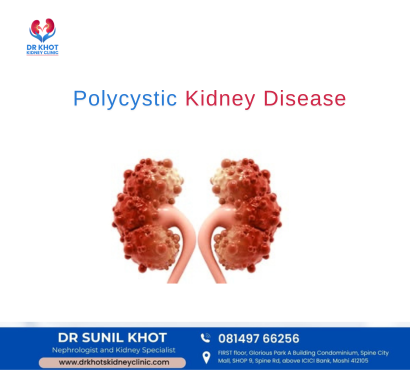
Polycystic kidney disease carries a different kind of worry than most kidney problems. Unlike stones causing dramatic pain or infections demanding urgent antibiotics, PKD works methodically and relentlessly. Multiple fluid-filled cysts slowly multiply inside both kidneys, gradually destroying healthy tissue over decades. Young adults feel perfectly healthy while cysts silently enlarge kidneys to 3-4 times normal size. Parents watch children inherit the same fate. Families track multiple generations affected by the same condition.
India sees rising PKD diagnosis as ultrasound becomes routine. Previously labeled “enlarged kidneys of unknown cause,” modern imaging reveals characteristic multiple cysts. Autosomal dominant PKD (ADPKD) accounts for 90% cases 50% inheritance risk per child. Autosomal recessive PKD affects infants. Pain from cyst rupture, bleeding, or infection interrupts otherwise normal lives. High blood pressure appears 10-15 years before kidney failure.
Unlike diabetes-driven CKD where lifestyle changes slow progression, PKD follows genetic blueprint. Cysts grow regardless of diet perfection. But pain management, blood pressure control, infection prevention, and family screening dramatically improve quality life. Dialysis timing, transplant planning, and emerging cyst-reducing medications offer hope where previous generations had only late-stage management.
This guide explains PKD inheritance patterns Indian families face, cyst growth timeline, pain patterns distinguishing cyst complications from stones, blood pressure management preserving function, family screening protocols, dialysis considerations, and transplant realities. Patients learn living decades productively despite cyst-filled kidneys.
How PKD inheritance actually works
Autosomal Dominant PKD (ADPKD) most common:
One parent affected = 50% child risk
Both parents = 75% child risk
Identical twins = 100% both affected
Silent transmission: 50% healthy parents carry mutated gene unknowingly
Autosomal Recessive PKD (ARPKD) infants:
Both parents carriers = 25% child risk
Diagnosed prenatal or infancy
Much more severe
Indian family reality: Multiple affected siblings, cousins, uncles across generations
Cyst growth timeline: decades of silence
Childhood (0-20 years):
Normal size/function
Few small cysts (<1cm)
Routine life, sports
5% high BP early
Young adult (20-40 years):
Kidneys double normal size
Cysts 1-3cm visible
Pain episodes begin
BP rises (70% affected)
Middle age (40-60 years):
Kidney 3-4x normal size
GFR declines 5%/year
Stage 3-4 CKD symptoms
Dialysis planning
Why pain delayed: Cysts asymptomatic until large or complications
Pain patterns unique to PKD cysts
Four distinct pain types:
| Type | Cause | Pattern | Duration |
| Dull ache | Kidney enlargement | Constant flank | Months-years |
| Sharp stab | Cyst rupture/bleed | Sudden severe | Hours-days |
| Colicky | Stone from cyst | Waves flank-groin | Hours |
| Infection | Cyst infected | Fever + flank pain | Days-weeks |
Key distinction: PKD pain often bilateral, cyst stones smaller, bleeding episodes recur
High blood pressure: PKD’s earliest threat
Appears 15-20 years before kidney failure
70% PKD patients hypertensive by age 30
Renin overproduction from cysts
Accelerates cyst growth 2x
Target BP <130/80 critical
Medications ranked:
ACE inhibitors first
ARBs second
Calcium channel blockers
Beta blockers last
Home monitoring mandatory: Weekly readings prevent silent vascular damage
When kidney function actually declines
GFR decline pattern:
Age 30: Normal GFR
Age 40: Mild decline
Age 50: Stage 3 (GFR 30-59)
Age 60: Dialysis (GFR <15)
Rapid decliners (20% patients):
Poor BP control
Repeated cyst infections
Massive kidneys (>1500g)
Proteinuria >1g/day
Patients with growing cysts, rising blood pressure, or family history of early dialysis benefit from regular monitoring by experienced
Kidney Specialist Doctor in Pune
to optimize blood pressure control and slow cyst progression.
Family screening: breaking inheritance cycle
Who gets tested:
Age 18-40, affected parent
Planning pregnancy, family history
Unexplained hypertension <40
Recurrent cyst pain
Ultrasound criteria (age-based):
18-30 yrs: ≥2 cysts (any kidney)
30-59 yrs: ≥2 cysts each kidney
≥60 yrs: ≥4 cysts each kidney
Genetic testing (₹25,000-50,000):
Pre-pregnancy planning
Living donor evaluation
Atypical presentations
Cost-effective: ₹2000 ultrasound prevents decades dialysis costs
Pain management: cyst complication protocols
Acute cyst rupture/bleed:
Narcotic pain control
Bed rest 48 hours
Watch hemoglobin drop
Ultrasound confirms
Chronic ache management:
Weight loss reduces pressure
Avoid contact sports
Cyst aspiration (large cysts)
Pain clinic referral
Infection treatment:
IV antibiotics 2-4 weeks
Longer courses needed
Guided drainage if abscess
Educational resources explaining cyst pain patterns, family screening protocols, and blood pressure management available through
help families coordinate testing and prevention strategies.
Diet realities: modest cyst benefits
Cannot stop cysts, can slow complications:
Low salt <5g daily
Normal protein 0.8g/kg
Potassium normal (no restriction early)
Hydration 2.5-3L daily
Pain-trigger foods (controversial):
Caffeine excess
Carbonated drinks
No strong evidence
Kidney size predicts progression
Total Kidney Volume (TKV) measurement:
<600ml: Slow progression
600-1200ml: Moderate
>1200ml: Rapid decline
Annual ultrasound tracks: Growing kidneys = faster dialysis approach
Dialysis considerations unique to PKD
Advantages:
Large kidneys = more residual function
Good peritoneal dialysis candidates
Transplant success excellent
Challenges:
Massive abdomen (peritoneal)
Hernias common
Fistula placement difficult
Optimal timing: GFR <12-15 with symptoms
Transplant: PKD patients excel
Outcomes superior to diabetes CKD:
10-year graft survival 75%
Young age advantage
Few diabetes complications
Excellent rehabilitation
Living donor program: Family members ideal matches
Native kidneys rarely removed: Continue hormone production
Pregnancy planning: critical discussion
Fertility normal until late stage
Stage 1-3: Normal pregnancy
Stage 4: High-risk specialist
Dialysis: Very high-risk
Complications:
Hypertension worsens
Cyst growth accelerates
Proteinuria increases
For patients with diagnosed PKD experiencing pain episodes, uncontrolled hypertension, or family planning concerns, multidisciplinary evaluation by
Nephrologist in Pimpri Chinchwad
coordinates blood pressure optimization, pain management, and genetic counseling.
Children screening: family decision
Pros:
Early BP control
Lifestyle optimization
Career planning awareness
Cons:
Psychological burden
No treatment anyway
Insurance discrimination
Recommended: Age 18-25 symptomatic only
Emerging treatments: cyst reduction hope
Tolvaptan (FDA approved):
Slows cyst growth 30-50%
Delays dialysis 5-10 years
Expensive (₹50,000/month)
Liver monitoring required
Clinical trials:
Metformin
Somatostatin analogs
mTOR inhibitors
Lifestyle measures preserving function
Daily protocol:
BP <130/80 target
30 min aerobic exercise
BMI <25 strict
No smoking absolutely
Stress management
Avoid completely:
Contact sports
Heavy lifting
Dehydration episodes
Myths blocking PKD management
MYTH: “Diet stops cysts”
FACT: Modest benefit complications only
MYTH: “PKD = dialysis age 40”
FACT: Huge variation, many reach 70
MYTH: “Remove big kidneys”
FACT: Rarely needed, continue function
Family coordination success factors
Annual family check:
BP screening all adults
Ultrasound symptomatic
Genetic counseling once
Dialysis planning discussion
Emotional support network:
Shared understanding
Avoids isolation
Normalizes condition
Conclusion
Polycystic kidney disease transforms family milestone into medical planning event. Cysts multiply relentlessly despite perfect lifestyle, but blood pressure control, pain management, infection prevention, family screening dramatically improve decades-quality life. ADPKD 50% inheritance demands honest family discussions, strategic testing, preemptive planning.
India faces rising diagnosis through routine ultrasounds revealing previously unexplained “big kidneys.” Pain episodes distinguish cyst complications from routine backache bilateral dull ache, sudden stabs from rupture, fever signaling infection. Kidney volume predicts progression speed better than creatinine alone.
Every controlled BP reading, every avoided cyst infection, every family member screened extends productive life beyond genetic destiny. PKD patients live normally 40-50 years post-diagnosis with modern care. Dialysis timing optimized, transplant success superior, emerging cyst-slowing drugs offer hope. Families owning inheritance patterns, screening protocols, pain management transform genetic burden into manageable medical reality.
FAQs
1. Does PKD always cause kidney failure?
No. 50-70% reach dialysis/transplant by age 60-70. Some maintain function lifelong with optimal care. Kidney size predicts progression better than age alone.
2. Should all family members get tested for PKD?
Recommended for adults 18-40 with affected parent, planning pregnancy, or unexplained hypertension. Ultrasound criteria age-adjusted prevents overdiagnosis.
3. Can diet or lifestyle stop PKD progression?
Diet offers modest complication benefit. Strict BP <130/80, weight control, avoiding dehydration provide maximum non-genetic protection.